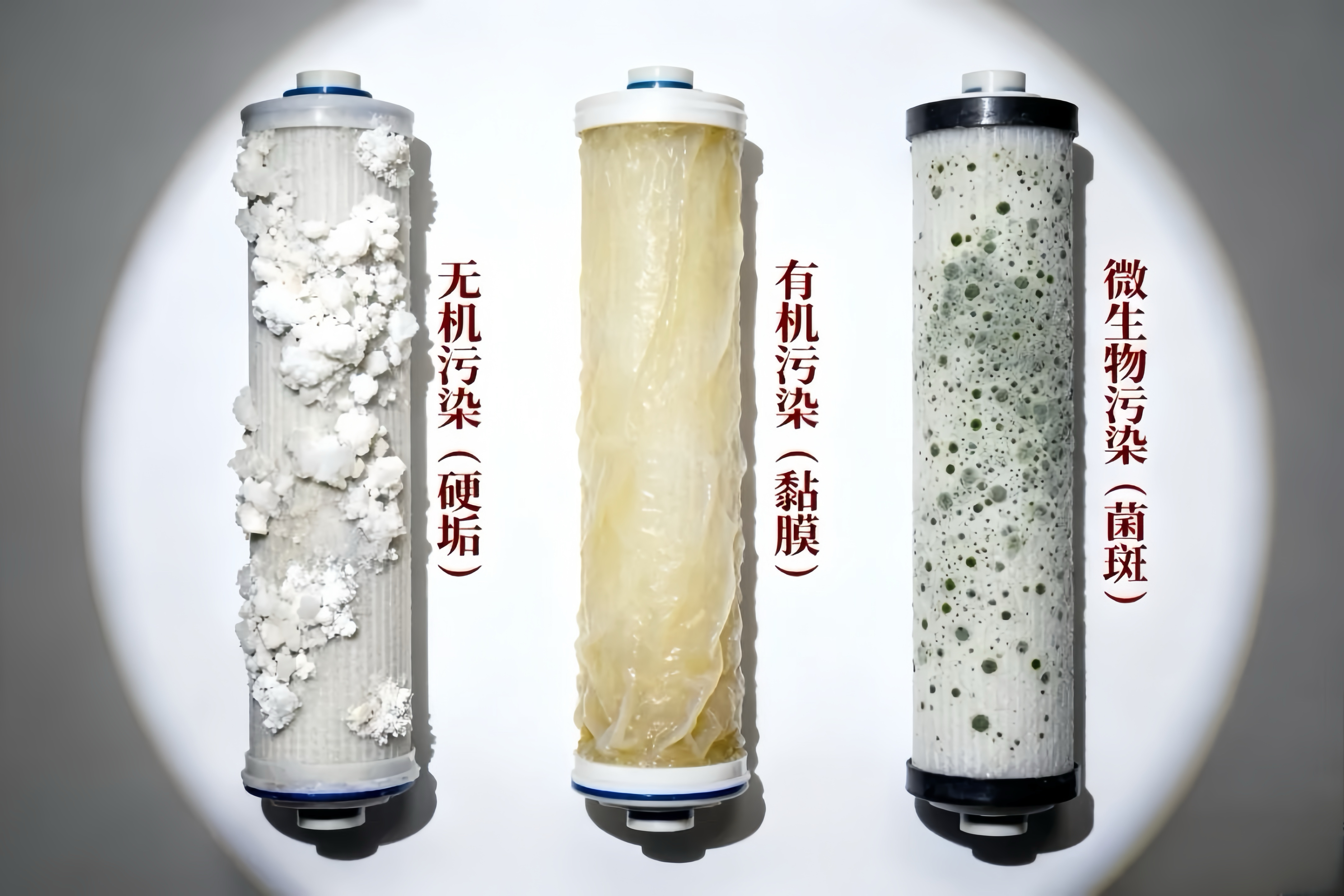
Many industrial water treatment systems face the same recurring problem: even with regular reverse osmosis membrane cleaning, fouling continues to occur, water production gradually declines, and membrane replacement intervals become shorter. Over time, the costs of chemicals, consumables, replacement parts, and production losses can become significant.
In many cases, the problem is not simply insufficient maintenance, but incorrect maintenance practices. Some common operating habits may fail to protect the membrane and can instead accelerate membrane deterioration and shorten its service life.
1. Avoid These Three Common Maintenance Mistakes That Can Shorten Membrane Life
Mistake 1: Excessive Acid and Alkaline Cleaning
Conventional spiral-wound membranes can be susceptible to fouling, leading operators to carry out intensive chemical cleaning whenever differential pressure begins to increase.
However, repeated exposure to strong acidic and alkaline cleaning solutions may gradually affect the membrane’s surface and separation performance.
Excessive chemical cleaning can therefore become counterproductive: the more frequently aggressive cleaning is carried out, the greater the potential impact on membrane condition and service life.
Mistake 2: Disabling Scheduled Automatic Flushing
Some facilities disable automatic flushing cycles in an effort to reduce water and electricity consumption. However, colloids, suspended solids, microorganisms, and other contaminants can continuously accumulate on the membrane surface during operation. Without regular flushing, these deposits may build up over time and contribute to more severe fouling or biofilm formation, eventually requiring more intensive chemical cleaning.
Mistake 3: Ignoring Transmembrane Pressure Differential Until Severe Fouling Occurs
Differential pressure is an important indicator of membrane fouling and overall operating condition. In some facilities, operators monitor only permeate flow and do not consistently record changes in pressure differential.
By the time water production has noticeably declined, deposits on the membrane surface may already have become difficult to remove. This can increase cleaning requirements, chemical consumption, maintenance time, and operating costs.
2. Simple 3-Step Maintenance Routine for BPM Hollow-Fiber Membranes – Helping Extend Membrane Life by Up to 30%
Thanks to its bio-inspired, fouling-resistant surface structure, the BPM membrane is designed to offer stronger fouling resistance than conventional reverse osmosis membranes. This reduces the need for frequent intensive chemical cleaning and allows routine maintenance to remain relatively simple. With appropriate operation and maintenance practices, membrane service life can be extended by up to 30%.
①.Set Up Routine Automatic Flushing
Schedule regular forward and reverse flushing each day. The open-flow configuration of the hollow-fiber membrane allows water flow to help remove suspended solids and other loose contaminants before they accumulate on the membrane surface. This can reduce fouling at an early stage and extend the interval between chemical cleaning cycles.
②.Monitor and Record Differential Pressure Regularly
Maintain a daily record of system pressure and differential-pressure trends. When only a slight increase is observed, enhanced flushing with clean water may be sufficient. Chemical cleaning should be carried out only when differential pressure reaches the defined maintenance threshold. This helps avoid unnecessary chemical usage and supports more efficient maintenance planning.
③.Use Mild Chemical Cleaning Only When Required
When differential pressure continues to increase despite flushing, a short-duration cleaning cycle using appropriately diluted cleaning chemicals can be carried out. The BPM membrane layer is designed with a chemically stable structure that can withstand mild cleaning conditions. Compared with conventional membranes, total chemical cleaning costs can be reduced by up to 85%, depending on feedwater quality and operating conditions.
3. Individual Membrane Housing Design – Simplified Inspection and Replacement
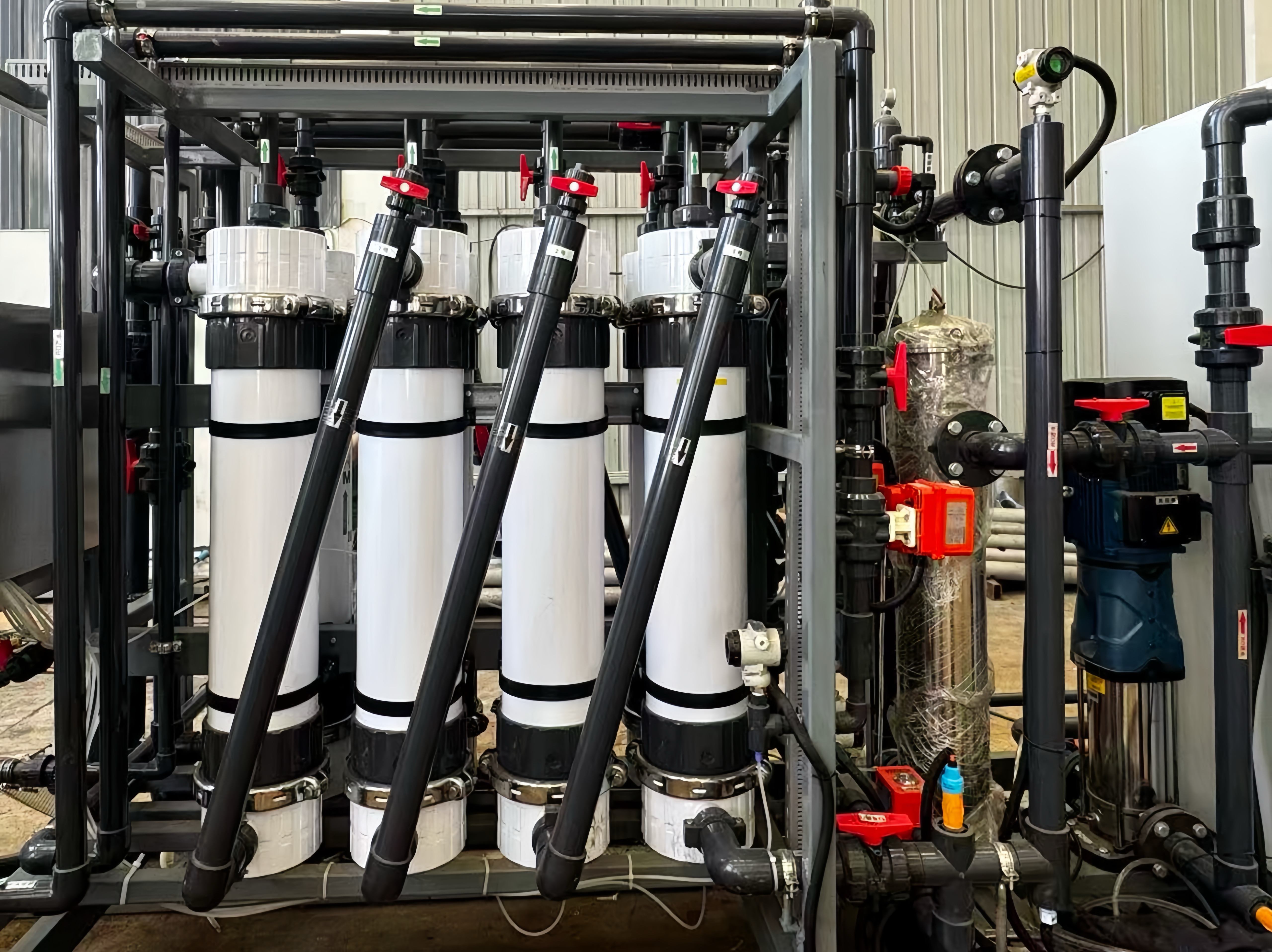
BPM membrane elements use an individual membrane housing configuration, allowing each membrane element to be inspected, removed, or replaced independently.
If a single element shows reduced flux, leakage, or other performance issues during routine inspection, it can be serviced individually without dismantling the entire membrane assembly. This helps reduce system downtime, maintenance labor, and replacement-material costs.
The membrane elements are also designed around standard industry dimensions, supporting retrofit applications in suitable existing systems without requiring major replacement of pressure vessels or piping. This makes BPM technology well suited for upgrading existing water treatment installations.
4. BPM Intelligent Integrated System – Easier, More Visual Operation and Maintenance
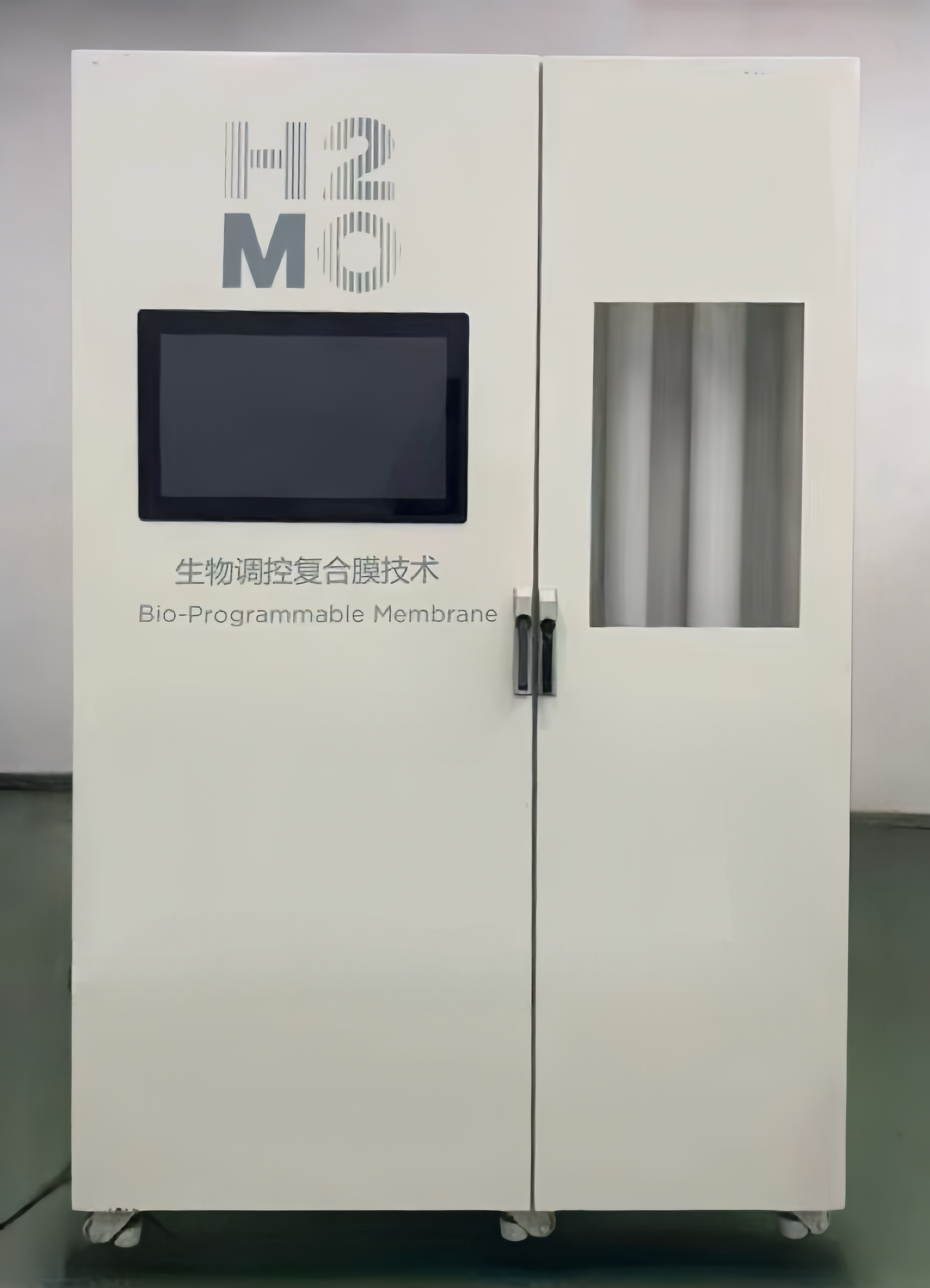
When combined with the BPM Intelligent Integrated Water Purification System, routine operation and maintenance can be further simplified. The system is equipped with an industrial touchscreen interface that displays key operating parameters such as differential pressure, water quality, and permeate flow in real time, with automatic alerts when operating limits are exceeded.
Observation windows allow operators to visually inspect key components without dismantling the unit, while automated system control reduces the need for continuous manual supervision. The user-friendly interface also helps new operators become familiar with the system more quickly.
Long-term water treatment cost savings depend not only on membrane performance, such as low-energy operation and high water flux, but also on consistent and appropriate day-to-day maintenance.
By combining high performance with simplified maintenance, H2MO’s BPM hollow-fiber membrane technology is designed to help industrial users reduce chemical consumption, extend membrane replacement intervals, minimize downtime, and lower long-term O&M costs.